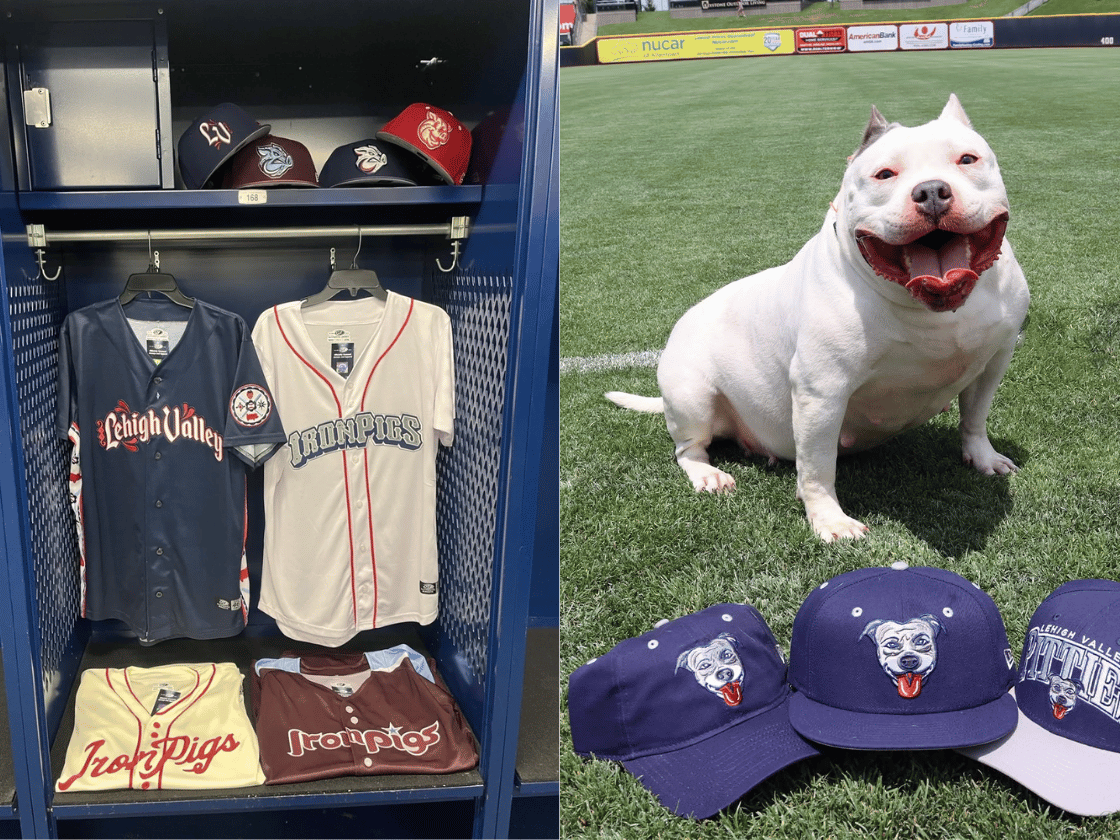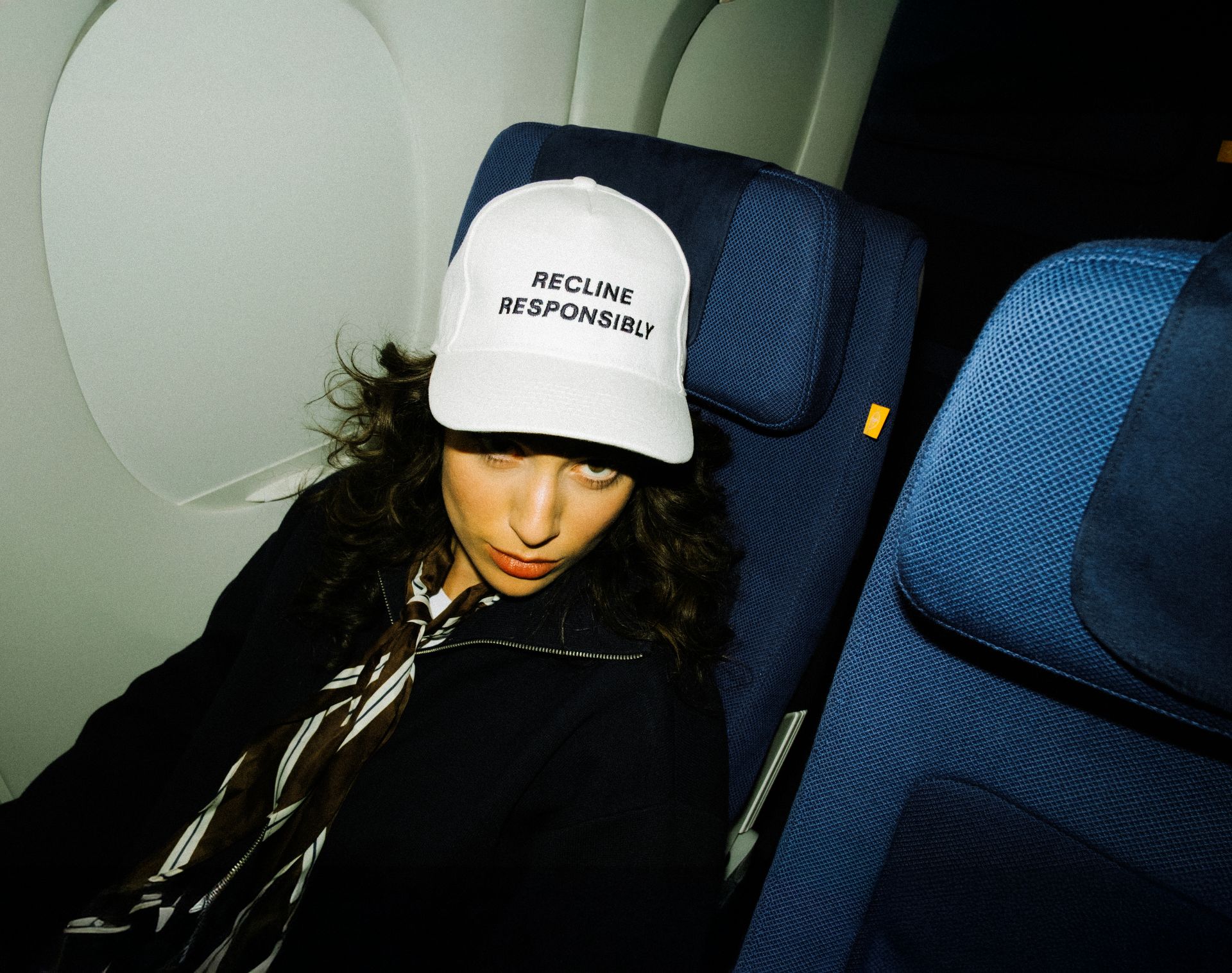
From limited drops to designer collaborations, one of 2026’s most visible branded merchandise trends is coming from the tech world. But the bigger lesson for marketers isn’t about expensive apparel or exclusive drops. It’s about what makes branded merchandise useful, relevant and worth keeping.
Branded merchandise in tech is getting more considered.
Companies including OpenAI, Anthropic, Figma, Palantir and Perplexity have experimented with limited releases, dedicated merchandise shops, elevated materials and collaborations that borrow as much from fashion and retail as they do from conventional company merch.
This so-called “corpcore” trend has been well documented by The New York Times, which pointed to examples including OpenAI’s branded basketball, Palantir’s chore coat and Anthropic’s limited-edition baseball caps as technology companies turn branded merchandise into something closer to a fashion release or cultural object.
Some products have sold out. Others have become sought-after enough to appear on resale sites.
It would be easy to write this off as another Silicon Valley trend. But there’s a useful marketing lesson underneath it.
When people actively seek out something carrying a company’s name, that’s a different kind of interaction than simply handing someone a freebie – one people choose to continue.
Research conducted by trade group Promotional Products Association International suggests that choice matters.
What Makes Branded Merchandise Worth Keeping?
Branded merchandise shows up across work, conferences, festivals, retail promotions and other parts of everyday life, and that exposure is changing what consumers compare it against.
They aren’t necessarily evaluating merch only against other branded merchandise anymore. They’re comparing it with products they already use and often purchase themselves, which raises the bar for what merch needs to deliver.
In a 2026 PPAI research consumer study, more than 3,400 U.S. consumers were asked what happens after branded merchandise reaches them.
Nearly 90% said they keep branded merchandise regularly or occasionally. But the reasons behind that retention tell the more important story.
Usefulness in daily life was the leading reason people kept an item, cited by 55% of consumers. High quality followed at 21%.
The reverse was also true: 38% cited lack of usefulness as a reason to discard branded merchandise, while 27% cited poor quality.
Getting an item into someone’s hands, then, is only the beginning. The more important question is whether it earns a place in that person’s life.
Why Does Audience Relevance Matter in Branded Merchandise?
The strongest examples from the tech world share a common thread: They’re built around giving people a reason to want the merchandise, not just putting it in their hands.
Anthropic has distributed limited-edition baseball caps through pop-up cafés. Figma has approached merchandise through limited releases and collaborations. OpenAI has created a dedicated shop offering apparel and other branded goods.
Some of these products have generated enough interest to sell out or attract buyers in secondary markets. Those behaviors are more interesting than the products themselves.
Seeking out, buying, wearing, keeping and sharing branded merchandise are signals that the audience sees value beyond the logo.
For marketers, that suggests a better question than “What should we put our brand on?”
What could we create that this particular audience would genuinely choose to have in its life?
That moves the conversation from product selection to audience insight – and from distribution to desirability.
Does Quality Matter in Branded Merchandise?
Yes – and not simply because a higher-quality product feels more premium.
A branded object is a physical encounter with a brand. How it looks, feels and functions can become part of what someone concludes about the organization behind it.
The tech examples make that particularly visible. Perplexity, for example, has offered heavyweight cotton sweatshirts with custom details and leather journals designed for continued use, making quality part of the merchandise proposition rather than an afterthought.
The consumer study puts numbers behind the larger principle.
Sixty-eight percent of consumers say usefulness makes branded merchandise feel valuable, while 65% say high quality does. Nearly 90% agree that high-quality merchandise improves how they perceive the brand behind it.
In other words, the product isn’t separate from the brand experience. Materials, usefulness, design and durability aren’t merely production decisions – they’re brand decisions.
Do Consumers Prefer Fewer, Higher-Quality Branded Products?
The research suggests they do.
Given a choice, 66% of consumers said they would prefer fewer, high-quality branded items, compared with 20% who would prefer a greater number of lower-cost products.
That doesn’t mean every marketer needs premium apparel or a limited-edition collaboration. It means volume alone isn’t a strategy.
Consumers have finite attention, finite space and plenty of products competing for both. In that environment, relevance and quality help determine what survives.
That’s why the lesson from tech isn’t about spending more on merch – it’s about being more intentional with it.
Does Expensive Merch Perform Better?
Not necessarily.
Premium materials, scarcity and fashionable collaborations don’t automatically make branded merchandise effective.
Critics of the tech trend have questioned whether some merchandise borrows heavily from familiar fashion and streetwear aesthetics without expressing much that is distinctive about the companies behind it. That’s a useful warning for any marketer watching the trend.
Price alone isn’t a strategy, and neither is scarcity.
A beautifully made product can still miss if it isn’t relevant to the audience or connected to what the brand represents. A limited release can generate urgency without creating lasting meaning, and a designer collaboration can attract attention without strengthening the underlying brand.
Quality works hardest when it’s paired with relevance. The better starting questions are: Who is this for? Why would they care? Why does this object make sense for this brand and this moment? What reason will they have to keep using it?
That’s the difference between upgrading a product and making an intentional marketing decision.
What Does Strategic Branded Merchandise Look Like in Practice?
The principle isn’t limited to Silicon Valley.
For the premiere of Happy Gilmore 2, Subway worked with BAMKO on a custom, limited-edition merchandise program designed to generate buzz, drive customer engagement, strengthen brand loyalty and connect with fans.
The collection combined the film’s 1990s nostalgia with the Subway brand.
The program included original artwork by Mickey Duzyj and design collaboration from Adam Sandler, with vintage-inspired pint glasses and higher-end ’90s-style hoodies, T-shirts and golf polos. A Subway-branded golf bag from the movie set helped generate additional attention.
The products were selected to feel authentic to the film and its fans, and the distribution strategy was just as deliberate: BAMKO used national warehousing and direct-to-consumer drop shipping to capitalize on immediate interest around the release.
When the collectibles went live on Subway’s rewards site, the entire collection sold out within 24 hours.
Selling out isn’t the real lesson here – what matters is how the pieces came together: a clear marketing objective, a recognizable cultural moment, an established fan audience, products selected for that audience, authentic creative involvement, quality cues and a distribution strategy designed around demand.
The merchandise was part of the idea from the start, not bolted on afterward. That’s what relevance looks like in practice.
Can Branded Merchandise Drive Consumer Action?
The 2026 consumer study suggests that merchandise can be associated with behaviors beyond the initial interaction.
Forty-eight percent of respondents said merch led them to look up a brand, 42% said they visited a website, 39% said they made a purchase and 38% said they talked about the brand with others. Only 13% reported taking no action.
Those findings shouldn’t be interpreted as proof that every piece of merchandise causes a purchase. What they do show is that the interaction doesn’t necessarily end at distribution.
Usefulness was also the factor consumers most often said would prompt them to take action, at 40%.
When merchandise remains useful and relevant, it can keep creating opportunities for brand exposure, curiosity, conversation and action. That’s especially interesting for technology companies whose products primarily exist on screens.
A cap can be worn, a journal can sit on a desk, a sweatshirt can become part of someone’s routine. An object can show up in a home, office, event or social post long after the original interaction.
Branded merchandise gives an otherwise digital brand a presence in the physical world. But that continued presence has to be earned.
Is Useful Merch More Effective Than Emotional Merch?
It isn’t necessarily an either-or decision.
Nearly three-quarters of consumers – 73% – said they prioritize functional value over emotional value. But emotional connection still matters: 38% said an emotional connection strongly increases their connection to a brand, while another 46% said it somewhat increases that connection.
Those findings point toward a useful combination.
Utility can give someone a reason to keep an object. Relevance, design and meaning can give that object a reason to matter.
The strongest branded merchandise can do both. A useful item earns its way into someone’s routine, and a relevant one connects that routine back to a brand, community, experience or memory.
That’s when merchandise moves beyond exposure and becomes a tangible brand experience.
How Should Marketers Plan Branded Merchandise?
The lesson from tech’s merch boom isn’t that every brand needs a $200 jacket, a fashion collaboration or an exclusive product drop. It’s that marketers should set a higher bar for what branded merchandise is expected to accomplish.
Before selecting an item, ask five questions:
- Audience: Who should genuinely want this?
- Objective: What marketing job should the merchandise do?
- Relevance: Why is this right for this audience and moment?
- Quality: What does its execution communicate about the brand behind it?
- After the handoff: What reason will someone have to keep, use, wear or share it?
Those questions turn merchandise planning into something more disciplined than selecting an item and applying a logo. They connect the object to an audience, an objective, a moment and an intended result.
Merch Succeeds When It’s Purposeful, Not Just Premium
The most useful takeaway from tech’s current fascination with merchandise may be that desirability has strategic value.
PPAI’s research reinforces the point: Consumers keep merchandise that fits their lives, value usefulness and quality over volume, and let quality shape how they see the brand behind it.
The Subway example shows what those principles can look like in practice. Audience insight, cultural relevance, creative execution and distribution came together to make the merchandise something fans actively wanted rather than something the brand simply wanted to distribute.
That’s a higher standard for branded merchandise, and it gives marketers a better way to evaluate an idea.
Don’t start by asking whether an item feels expensive enough, fashionable enough or exclusive enough. Start by asking whether it’s right for the audience, right for the brand and useful or meaningful enough to stay.
Because when branded merchandise earns a place in people’s lives, it can keep the brand present long after the first interaction.
Frequently Asked Questions
What makes branded merchandise effective?
Effective branded merchandise fits the audience, marketing objective and moment. Usefulness, quality and relevance increase the likelihood that an item will be kept and used, giving the brand opportunities for continued real-world presence.
Why does quality matter in branded merchandise?
Quality affects both retention and brand perception. The study found that 65% of consumers say high quality makes branded merchandise feel valuable and nearly 90% agree that high-quality merch improves how they perceive the brand behind it.
What makes people keep branded merchandise?
Usefulness is the strongest factor. In the consumer study, 55% cited usefulness in daily life as a reason for keeping branded merchandise, followed by high quality at 21%.
Should brands choose fewer, higher-quality merchandise items?
That approach aligns with consumer preference. Sixty-six percent of respondents in the consumer study preferred fewer, high-quality branded items, compared with 20% who preferred more lower-cost products.
How should marketers choose branded merchandise?
Start with the objective and audience rather than the product. Consider why the merchandise fits the audience and moment, what its quality communicates about the brand and what will motivate someone to keep, use, wear or share it.
Keep Exploring
See the consumer evidence: The Things We Don’t Throw Away
Explore PPAI research on usefulness, quality, retention, brand perception and consumer behavior.
See the trend: If You Can’t Beat A.I., Outdress It
The New York Times on how technology companies are experimenting with elevated merchandise, fashion collaborations and limited releases.
See proof in action: Case Studies
Explore real stories of merch moving people toward brand affinity.