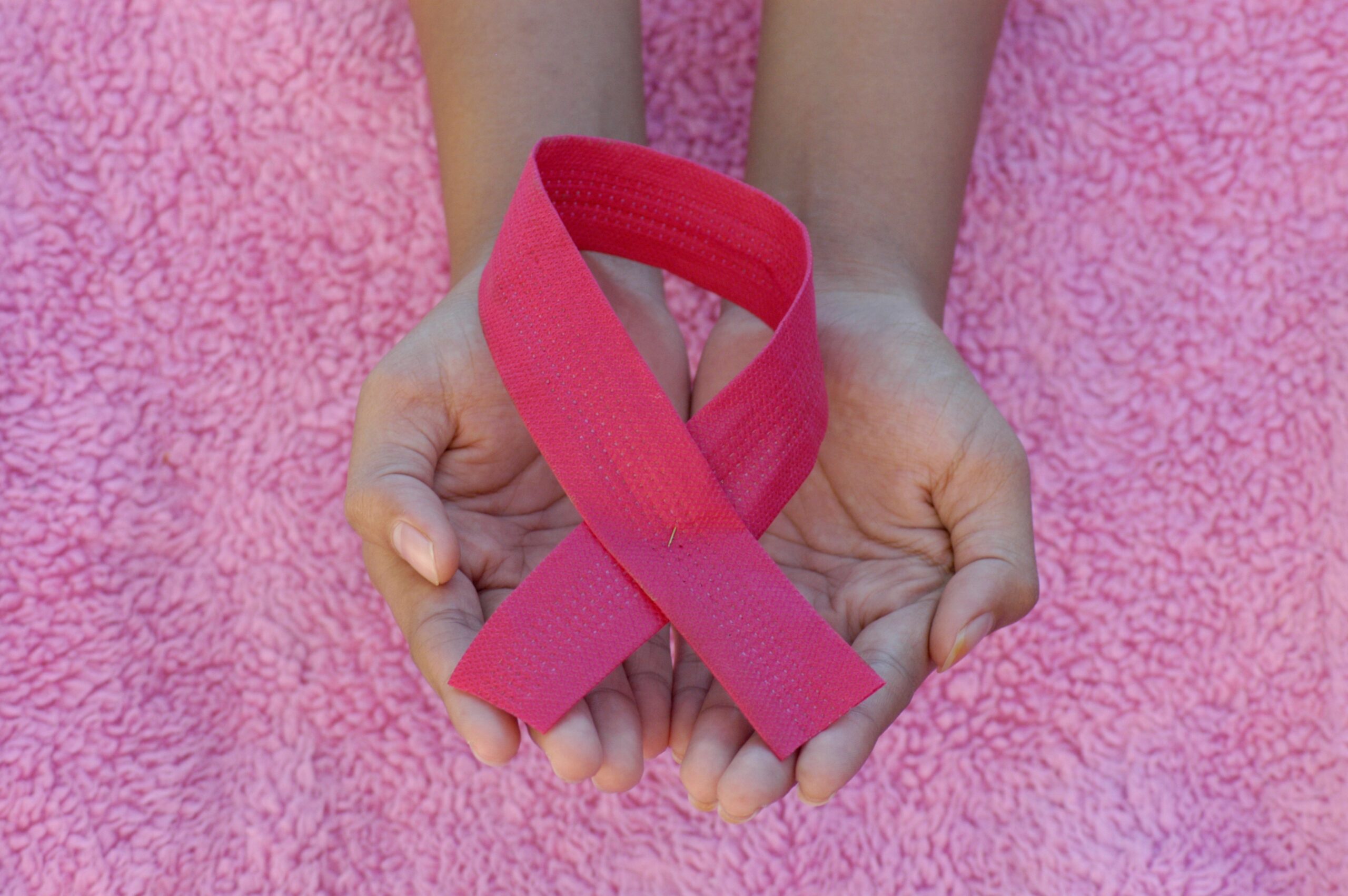
Every October, pink appears on T-shirts, sports jerseys, storefronts and collectible merchandise around the world. The color has become so closely associated with Breast Cancer Awareness Month that even a small pink ribbon can communicate support for the cause without a word.
That recognition has a history. Long before pink apparel collections and branded fundraising campaigns became familiar October sights, the movement relied on a simple wearable symbol to bring breast cancer into the public conversation.
In 2026, organizations as different as Susan G. Komen, Hard Rock International, French football club FC Nantes and the Mobile Fire-Rescue Department in Alabama are carrying that idea forward. Their approaches vary, but each puts merchandise at the center of how people can show support, participate and contribute.
How the Pink Ribbon Became a Movement
Breast Cancer Awareness Month traces its beginnings to 1985, when the American Cancer Society and Imperial Chemical Industries launched a weeklong campaign focused on breast cancer awareness and early detection. The initiative later expanded into the monthlong observance recognized today.
The pink ribbon arrived several years later.
In 1991, the Susan G. Komen Foundation distributed pink ribbons to participants in its New York City Race for the Cure. Around the same period, activist Charlotte Haley began making and distributing peach-colored ribbons to call attention to breast cancer prevention funding. Her grassroots campaign demonstrated how a small, wearable object could carry a public health message into everyday life.
The symbol gained much wider recognition in 1992, when Self magazine editor Alexandra Penney and Estée Lauder executive Evelyn Lauder launched a pink ribbon awareness campaign. Distributed through cosmetics counters, the ribbons helped bring breast cancer awareness into retail spaces and everyday conversations.
What began as a small object people could wear became a widely recognized visual language. The ribbon offered a way to express solidarity, invite conversation and make an often deeply personal issue more publicly visible.
Over time, that visual language expanded into clothing, accessories, packaging and public events. The pink ribbon remained recognizable, but the ways people could wear it, share it and participate continued to evolve.
Susan G. Komen Foundation Turns a T-Shirt Into a Giving Opportunity
For its 2026 campaign, Susan G. Komen introduced a T-shirt designed to do more than display a message.
The Komen Giving Tee, created by designer Stella Jean in collaboration with Harlem’s Fashion Row, debuted during New York Fashion Week in September. The shirt features an illustration of women embracing alongside the campaign message “Don’t Fail the Girls.”
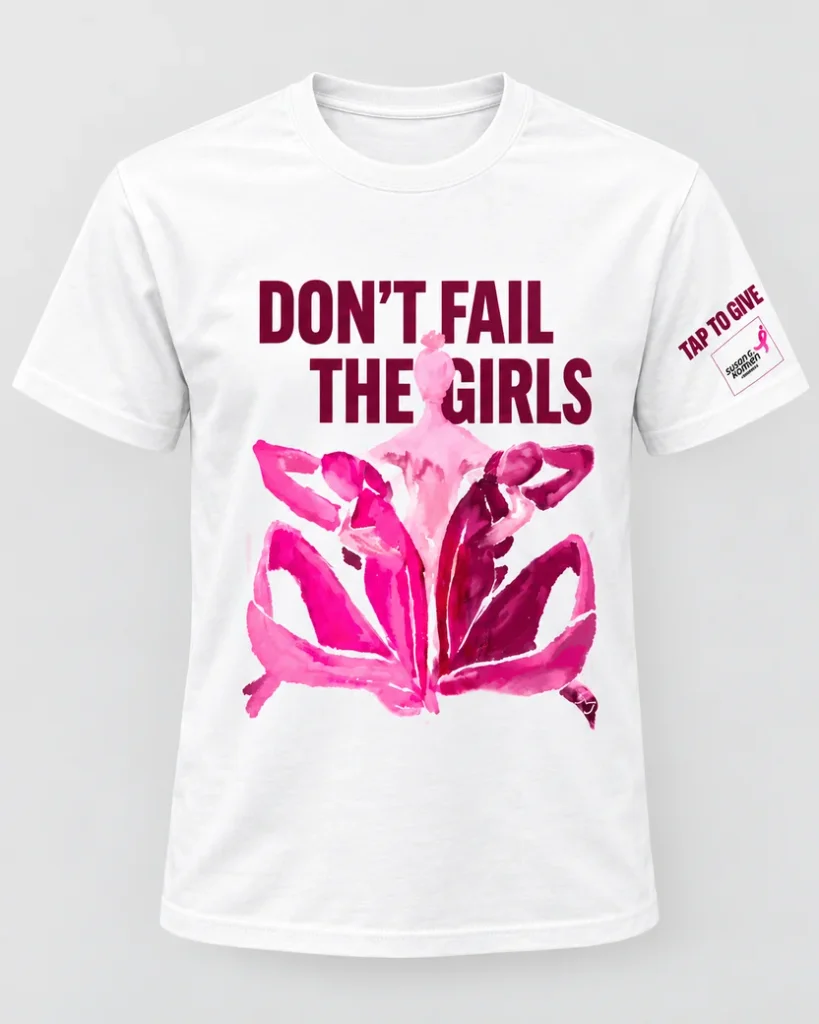
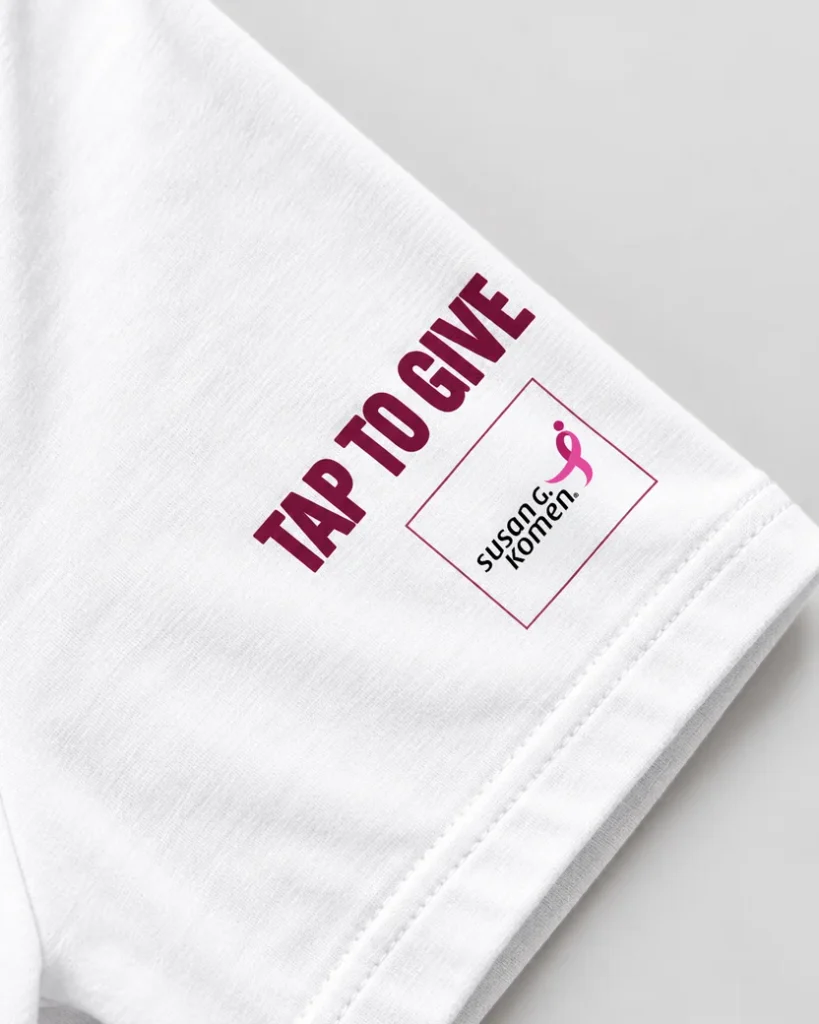
Its defining feature is embedded technology. An NFC chip allows someone to tap the shirt with a smartphone and access an opportunity to donate to Komen’s breast cancer work.
The interaction gives the wearer a way to turn attention into action. Someone who notices the shirt can learn more about the campaign and make a contribution without needing to search for a separate donation page.
Priced at $39, the shirt also serves as a fundraising product, with proceeds supporting Komen’s mission.
The design is part of the organization’s broader Breast Honesty platform, which encourages conversations about breast health, personal risk, recommended screenings and access to care.
What makes this one different: The shirt communicates the cause and creates a direct opportunity for someone else to give, pairing a visible statement with an immediate way to act.
Hard Rock Makes PINKTOBER Part of Its Merchandise Culture
Hard Rock International has spent decades building a recognizable merchandise culture around its music identity. Its annual PINKTOBER campaign puts that established audience relationship to work for breast cancer awareness.
Now in its 27th year, PINKTOBER 2026 includes a retail collection of T-shirts, hoodies, stickers and collectible pins, alongside fundraising activities, guest experiences and charitable partnerships across Hard Rock properties.
One notable item is the limited-edition STRONGER TOGETHER pin, designed by Seminole Tribe of Florida artist Theron Osceola. All net proceeds from the pin benefit the American Indian Cancer Foundation through the Hard Rock Heals Foundation, supporting Native American women and families affected by breast cancer.
The wider campaign includes a partnership with the American Cancer Society, along with live performances, themed hospitality experiences and other opportunities for guests to contribute.
Hard Rock reports that PINKTOBER has raised more than $15 million since its inception. That figure represents the broader initiative’s fundraising history, not merchandise sales alone.
The merchandise fits naturally into Hard Rock’s established relationship with its audience. Fans already associate the brand with collectible pins and apparel, making a cause-related collection a familiar way to participate.
The pattern worth noting: Hard Rock builds on an existing culture of collecting and brand participation. Its merchandise gives guests another way to engage with a recurring campaign while connecting specific purchases to charitable beneficiaries.
FC Nantes Brings the Pink Ribbon Onto the Pitch
In France, Breast Cancer Awareness Month is known as Octobre Rose. For 2026, FC Nantes and sportswear partner Macron created a special jersey that places the campaign’s most recognizable symbol at the center of the club’s identity.
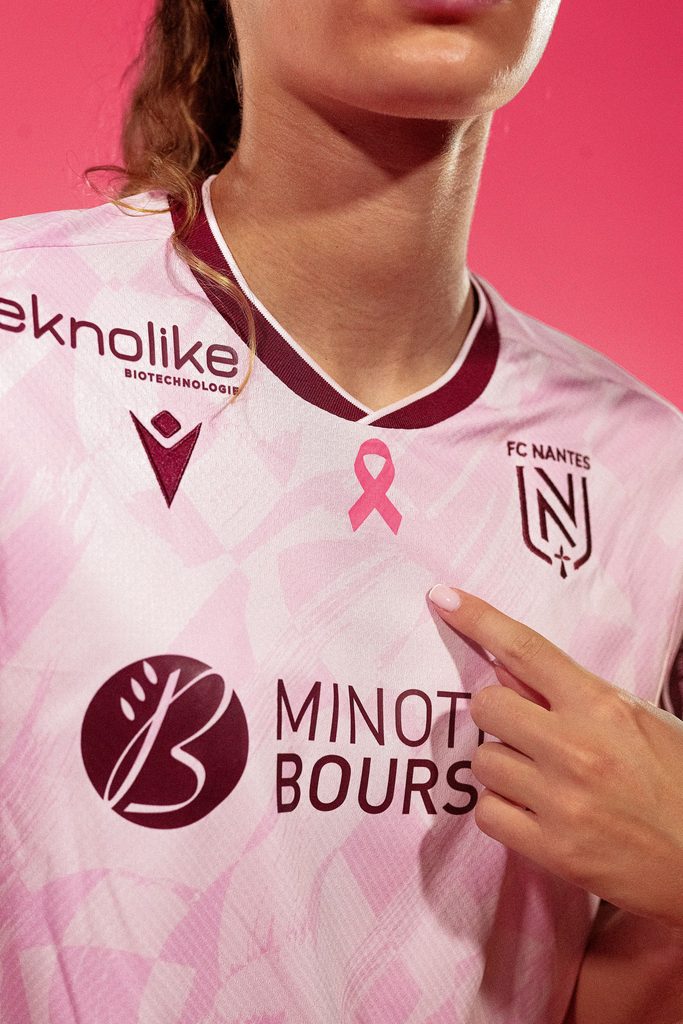
The Octobre Rose shirt marks the first time the French football club has adopted a pink kit. Its pastel-pink base features a graphic interpretation of the pink ribbon, with burgundy details on the collar and cuffs.
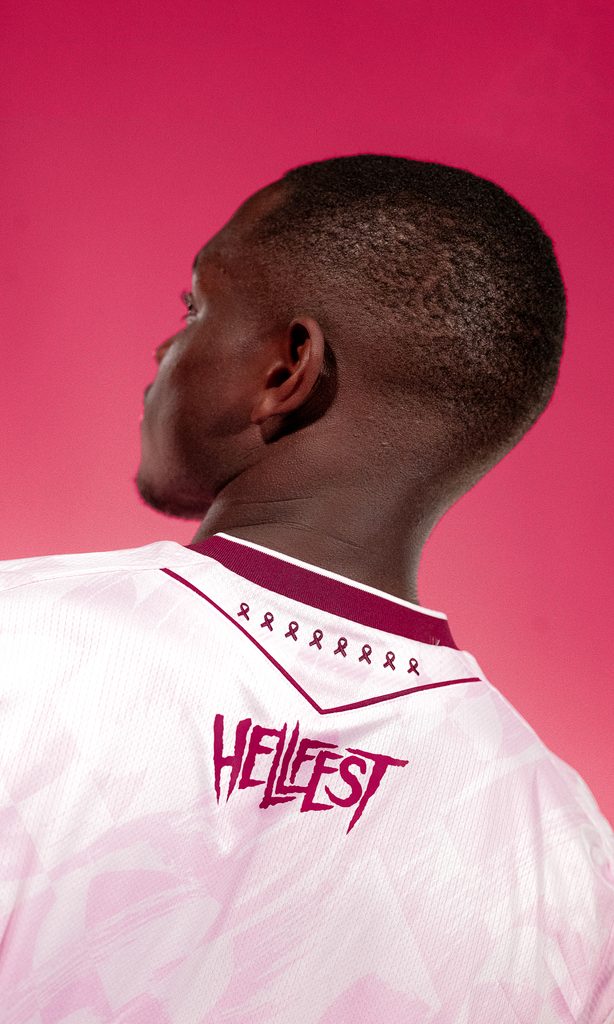

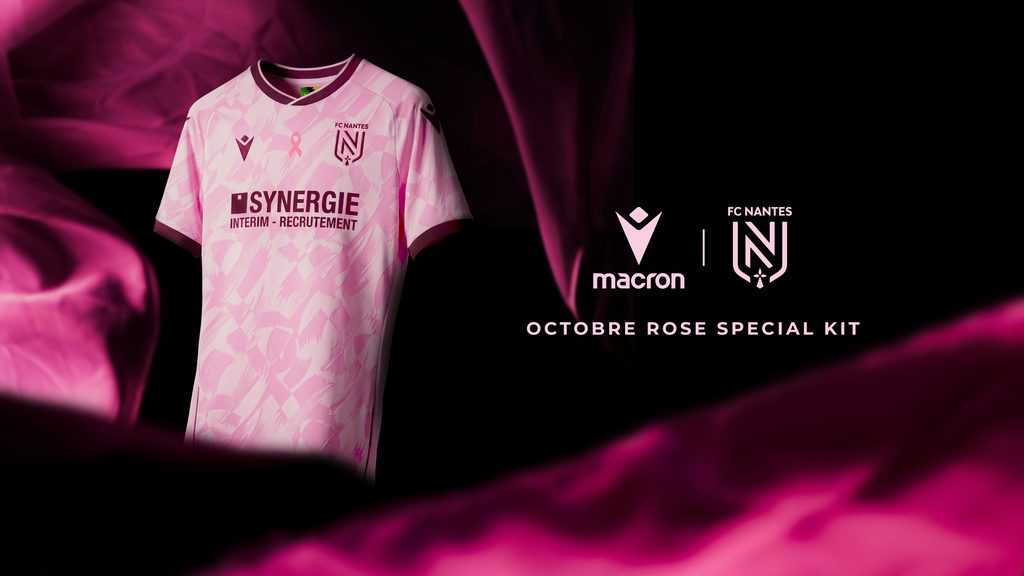
The most distinctive design choice appears on the back collar. Eight embroidered pink ribbons replace the eight stars traditionally used to represent the club’s French league titles.
Another pink ribbon appears on the front of the jersey between the club crest and Macron’s logo, making the cause part of the team’s official visual identity rather than an added decoration.
Both the men’s and women’s first teams are participating in the campaign by wearing the special kit during October matches at Stade de la Beaujoire.
The initiative also has a fundraising component. 50% of proceeds from shirt sales will be donated to local organizations Madame S and Ma Parenthèse, which support people affected by breast cancer, as well as the FC Nantes endowment fund and its Football Cœur de Nantes program supporting regional healthcare.
The jersey brings together two recognizable symbols: the pink ribbon and the club shirt. For supporters, the result is merchandise that connects a wider cause with their existing sense of belonging.
Why it stands out: FC Nantes incorporates the pink ribbon into meaningful uniform details, making the cause part of the team’s visual identity rather than an added accessory. The merchandise gives fans a way to express support through an object already associated with loyalty and community.
Mobile Firefighters Use T-Shirts to Support Their Community
Not every Breast Cancer Awareness Month merchandise campaign needs a global audience or a major brand partnership.
In Mobile, Alabama, the Mobile Fire-Rescue Department launched its 2026 Heroes Helping Heroes T-shirt fundraiser to raise awareness and support for people affected by breast cancer.
The shirts are sold through the Mobile Firefighters’ Foundation’s online store. Proceeds from purchases benefit the foundation, which is making donations to Bras Across the CAUSEway, an organization providing resources and support to breast cancer survivors, their families and caregivers in Mobile and Baldwin counties.
The fundraiser runs through Nov. 30, extending the opportunity to participate beyond October.
Here, the T-shirt connects two kinds of community identity: support for local first responders and support for neighbors affected by breast cancer.
Unlike a national retail campaign, the initiative is grounded in a specific place and the relationships people already have with their local fire department.
The broader lesson: The campaign gives a community an accessible, visible way to rally around a local cause. The shirt serves as a sign of participation while helping direct financial support toward organizations serving people in the area.
What These Campaigns Show About Merchandise and Awareness
These four campaigns use different kinds of merchandise, but they build on the same principle that helped the pink ribbon become recognizable in the first place: a tangible object can give people a visible way to identify with a cause.
The Komen Giving Tee adds a donation interaction to everyday apparel. Hard Rock builds on its established culture of collecting and participation. FC Nantes makes the pink ribbon part of a symbol fans already wear with pride. Mobile Fire-Rescue uses a T-shirt to connect community support with local fundraising.
Each example also gives the merchandise a specific job beyond displaying a logo or a color. It can open a conversation, invite a donation, express belonging or connect a purchase to a charitable beneficiary.
For marketers and organizations planning cause-related campaigns, that distinction matters. A recognizable symbol may help people understand what a campaign stands for, but the experience around the merchandise determines what people are invited to do next.
Transparency matters, too. Wearing pink can communicate solidarity, but visibility alone doesn’t establish fundraising success or improved health outcomes. The strongest cause-related merchandise initiatives make clear who benefits, how contributions work and what participation is intended to accomplish.
What this means for marketers: Cause-related merchandise is most useful when the design, audience and participation opportunity work together. The goal is to give people a meaningful way to show support and make the next step clear, beyond simply making a cause visible.
The pink ribbon’s history offers an enduring example. A small piece of fabric helped establish a visual language that people could carry into everyday life.
More than three decades later, the products have changed. The idea of making support something people can wear, share and act on remains.