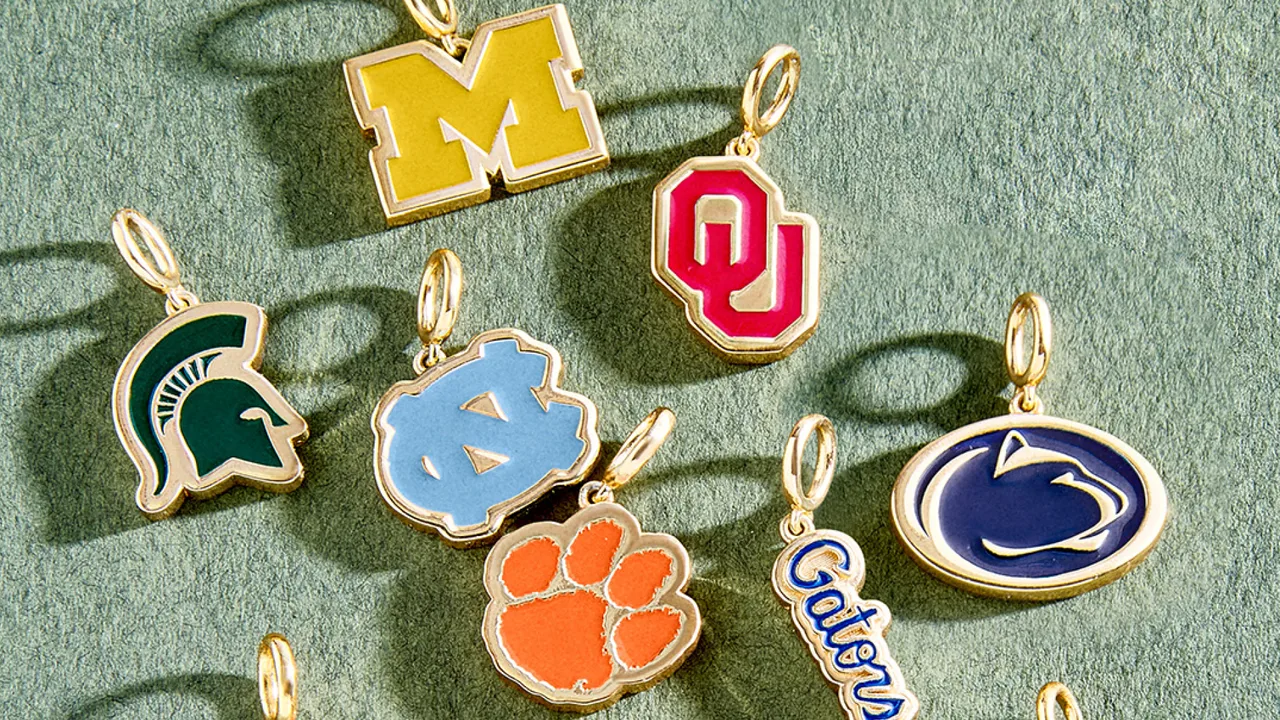
College merchandise has long been associated with sweatshirts, jerseys and game-day apparel. But accessories brand BaubleBar is bringing school pride into charm bracelets, necklaces, hair clips and phone accessories designed for everyday wear.
The company entered the collegiate market in February 2025 with 12 universities. By August 2026, its assortment had expanded to 25 schools, and collegiate revenue was up more than 50% year to date, according to Glossy’s reporting.
The growth points to an opportunity for branded merchandise that reflects the identities of established communities while fitting into how people dress, accessorize and express themselves beyond game day.
School Spirit Goes Beyond the Logo
BaubleBar’s collegiate assortment includes officially licensed jewelry and accessories representing universities such as Michigan, Penn State, Florida, Tennessee and Texas.
The products combine recognizable school identities with details drawn from local culture, traditions and familiar places.
The University of Michigan Pisa Bracelet, priced at $38, features gold beads and charms depicting the university logo, the outline of Michigan, cherries and mittens.
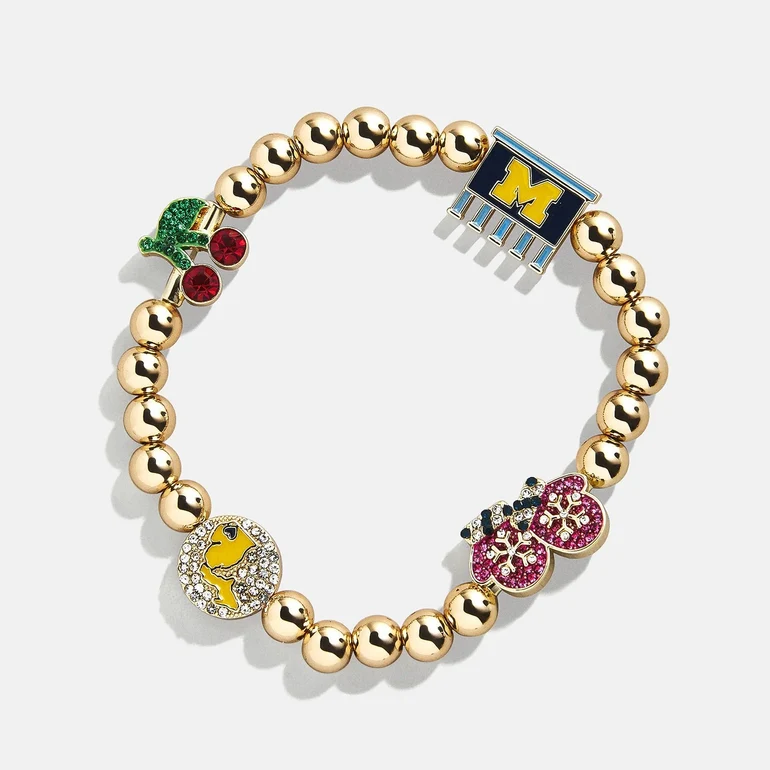
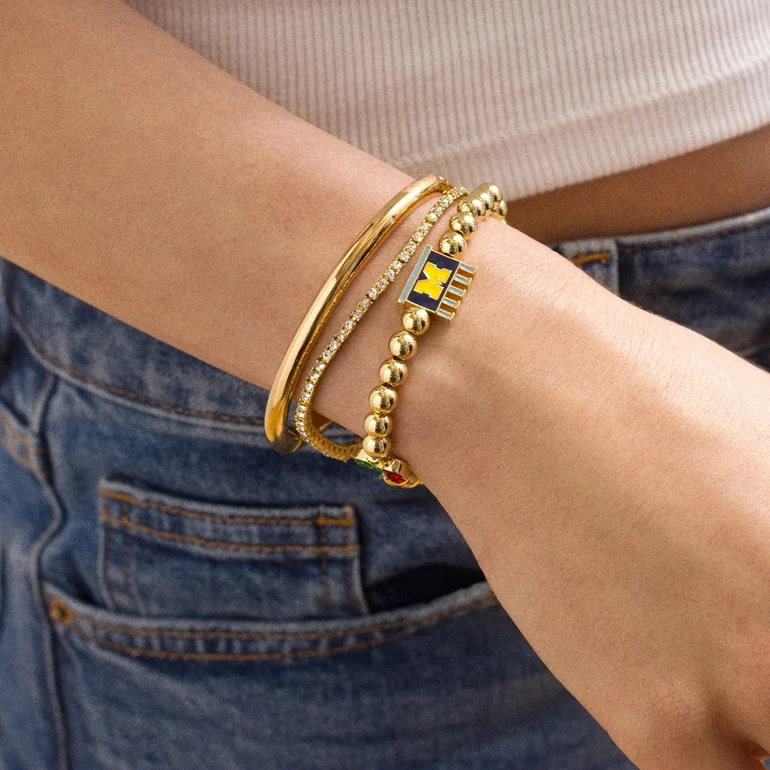
BaubleBar’s University of Kansas version incorporates a sunflower and ruby slippers alongside the school’s logo and state outline, while other designs feature details associated with individual campuses and their surrounding communities.
These choices give each product a personality beyond official colors and marks. The details offer supporters ways to recognize places, traditions and associations that carry meaning within their communities.
That specificity is intentional. BaubleBar researches school traditions, local foods, campus landmarks and other cultural references. The company also gathers input from people connected to individual universities and uses social listening and customer surveys to inform product development.
Co-founder Daniella Yacobovsky told Glossy that simply placing a university logo on a product isn’t enough. The merchandise needs to reflect what people identify with.
Planning principle: Start with what makes a community distinctive, then translate those details into merchandise people will want to wear and use.
BaubleBar applies a similar approach to professional football merchandise. In an August 2026 Instagram collaboration with NFL Style, the brand highlighted city-specific charms and stackable accessories designed to let fans express team loyalty through personal style.
Collegiate Merchandise Reaches Beyond Campus
BaubleBar’s collegiate business began with a clear audience opportunity.
When the collection launched, its products were designed for a multigenerational audience that included current students, alumni, parents and lifelong supporters.
That audience creates opportunities beyond the traditional back-to-school shopping period.
Football and basketball seasons, homecoming, graduation and reunions all give people reasons to express their school affiliations throughout the year.
Product selection also matters. Jewelry, bag charms and phone accessories can become part of someone’s everyday style, allowing school identity to remain visible outside sporting events or campus activities.
The approach reflects a wider interest in collegiate merchandise among fashion and lifestyle brands.
In August 2026, Parke introduced its first collegiate collection with ’47, bringing licensed university identities into the brand’s signature sweatshirts, mocknecks and headwear.
That same month, Fabletics expanded its College Shop to more than 200 universities. The activewear company also began testing collegiate products in 14 retail stores near major campuses.
The brands offer different merchandise, but each adapts university identity to products that fit its established aesthetic and customer base.
Turning School Affiliation Into a Customer Relationship
For BaubleBar, collegiate merchandise also creates opportunities to introduce its broader assortment to new customers. The collection brings school identity into familiar accessories, from charm bracelets and necklaces to hair clips and bag charms. Each product offers a different way to express university affiliation, while staying recognizable as part of BaubleBar’s jewelry and accessories lineup.
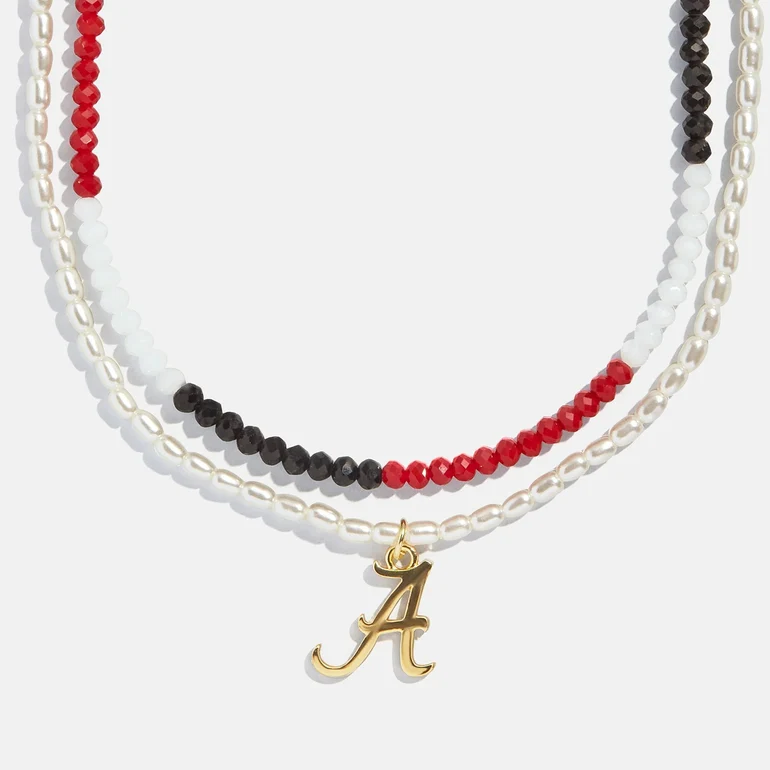
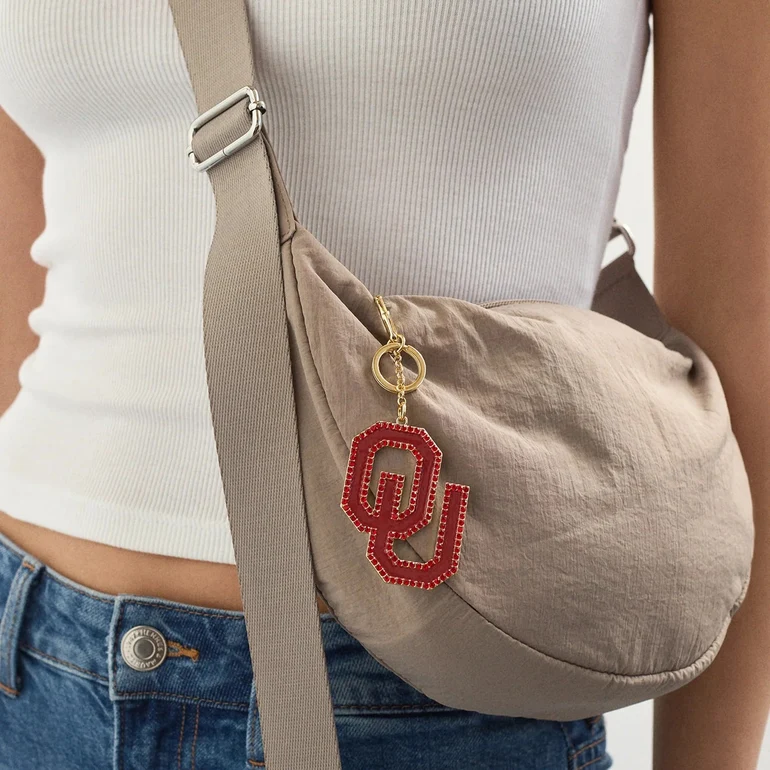
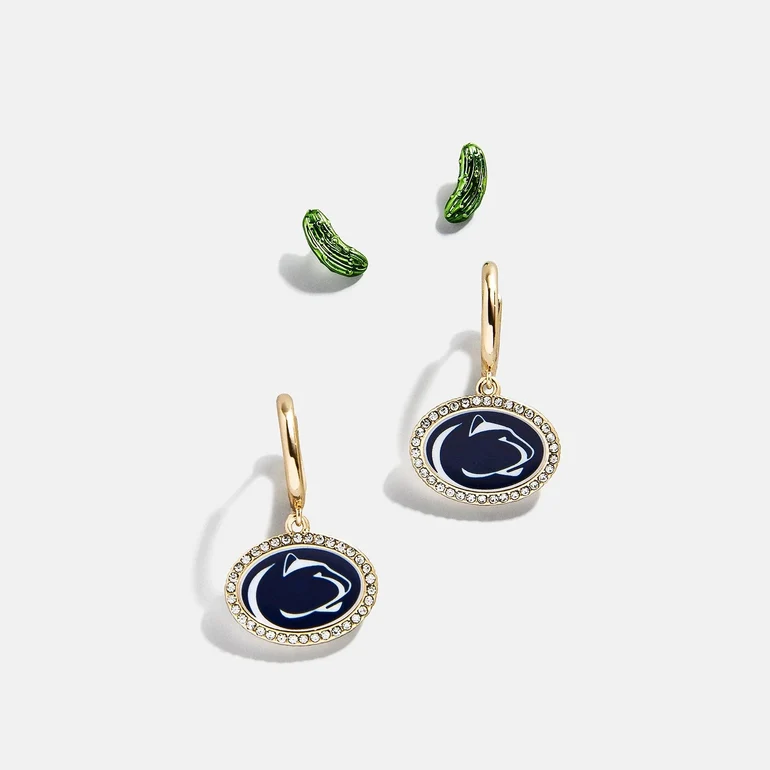
By August 2026, its collegiate products were available through more than 300 wholesale locations, including campus bookstores and retailers such as Fanatics, Dick’s Sporting Goods and Rally House.
Roughly half of collegiate sales came through wholesale, while the other half came through BaubleBar’s own channels.
That distribution places the products in settings where shoppers are already looking for university-related merchandise. It also introduces those shoppers to BaubleBar’s broader jewelry and accessories business.
The company is studying what happens after an initial collegiate purchase.
Its analytics work includes examining whether customers who enter through university merchandise later explore other categories, including custom jewelry, phone cases and the brand’s core beaded assortment.
In July 2026, BaubleBar updated parts of its website’s backend to improve how it tracks product discovery, browsing behavior and related purchases.
Yacobovsky told Glossy that early customer metrics were meeting or exceeding the company’s overall baseline. However, BaubleBar has not disclosed a specific repeat-purchase rate or the revenue generated by subsequent purchases.
The company also uses social media and an affiliate network of approximately 5,000 people to put collegiate products in front of students and alumni.
Together, these efforts position school-branded accessories as an entry point to a broader customer relationship, rather than solely a seasonal merchandise category.
What Marketers Can Learn From BaubleBar’s Approach
BaubleBar’s collegiate expansion illustrates how merchandise can connect an organization’s identity with products people already enjoy wearing and using.
The company entered a category with established emotional connections, but it still needed to make its products relevant. Its school-specific designs, everyday accessories and retail distribution reflect choices informed by audience interests and shopping behavior.
The reported revenue growth indicates that collegiate merchandise has become commercially meaningful for BaubleBar. It does not establish which individual design choices caused that growth or how much additional business the collection has generated outside the collegiate assortment.
For marketers, the more transferable lesson is the role of audience insight.
A university logo provides recognition. Details such as local landmarks, traditions and cultural references can make a product feel more personal. Choosing accessories people can wear regularly also creates opportunities for those connections to remain visible in everyday life.
What this means for marketers: Merchandise becomes more relevant when it reflects both the identity people care about and how they want to express it. Understanding those connections can help organizations develop products that fit naturally into their audiences’ lives.
For BaubleBar, that means collegiate merchandise extends beyond the stadium and the academic calendar. A bracelet or bag charm can carry school pride into ordinary moments, giving supporters a way to keep a familiar affiliation close.