


Featured article
Branded Merchandise Carbon Impact: What New Research Shows
New research on branded merchandise carbon impact shows how recall, continued use and responsible planning can change the channel comparison.

Featured article
New research on branded merchandise carbon impact shows how recall, continued use and responsible planning can change the channel comparison.

Vredestein Tires cut event display replacement costs by 50% by reusing branded inflatables across 15 events in the U.S. and Canada.
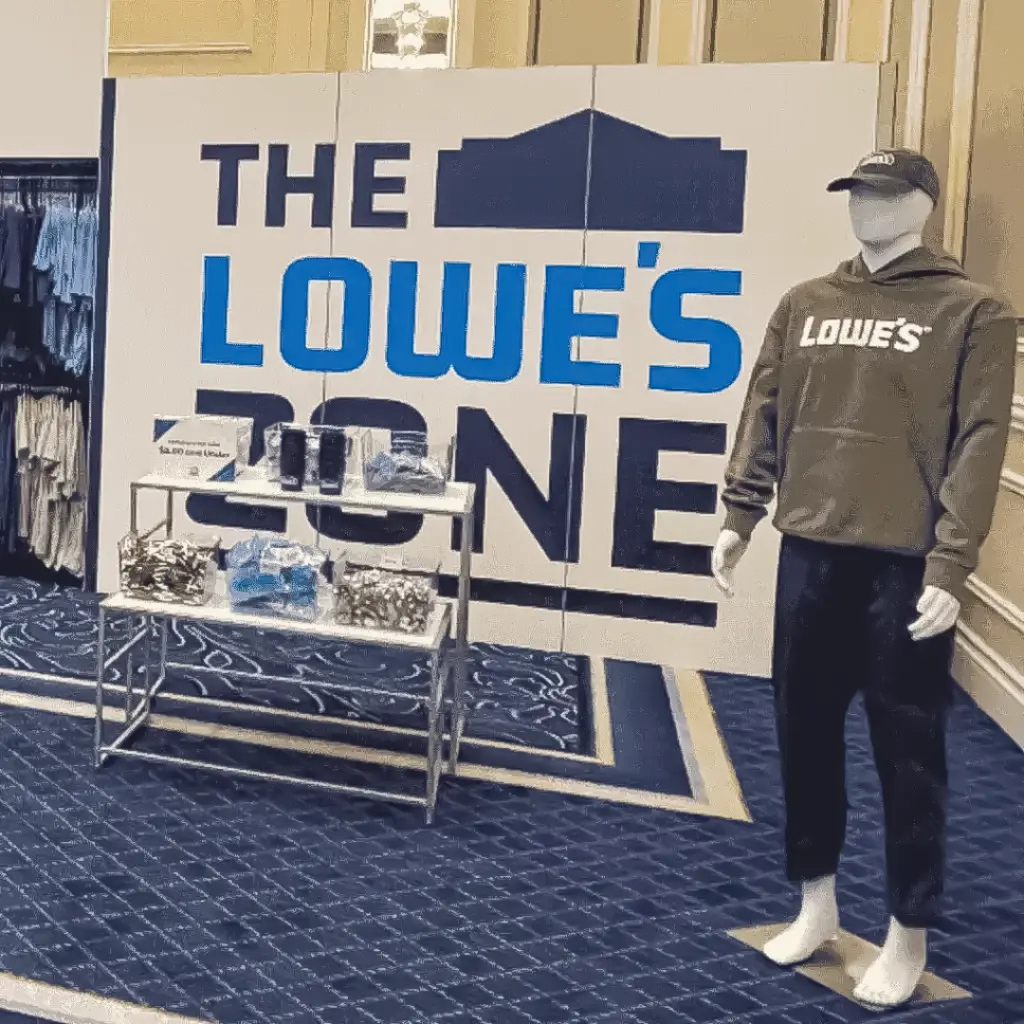
A curated pop-up shop at Lowe’s Annual Store Manager Meeting doubled the previous year’s sales and turned a conference perk into a destination.
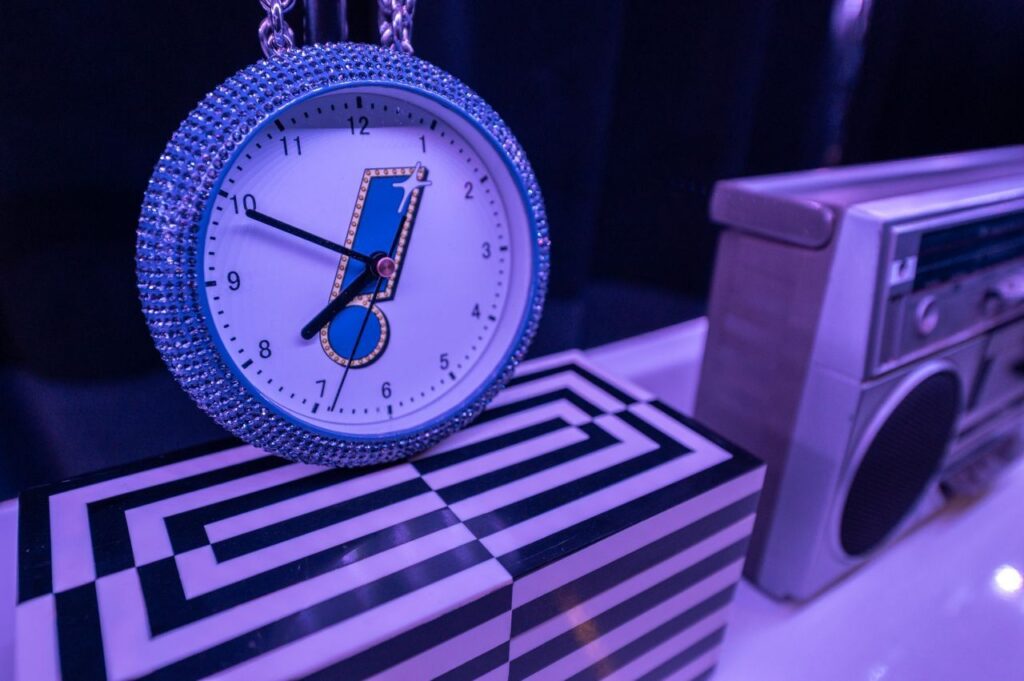
Yahoo's custom clock necklaces, inspired by Flavor Flav's signature accessory, were a hit at its Consumer Electronics Show 2026 party – with all 600 claimed in just 30 minutes.
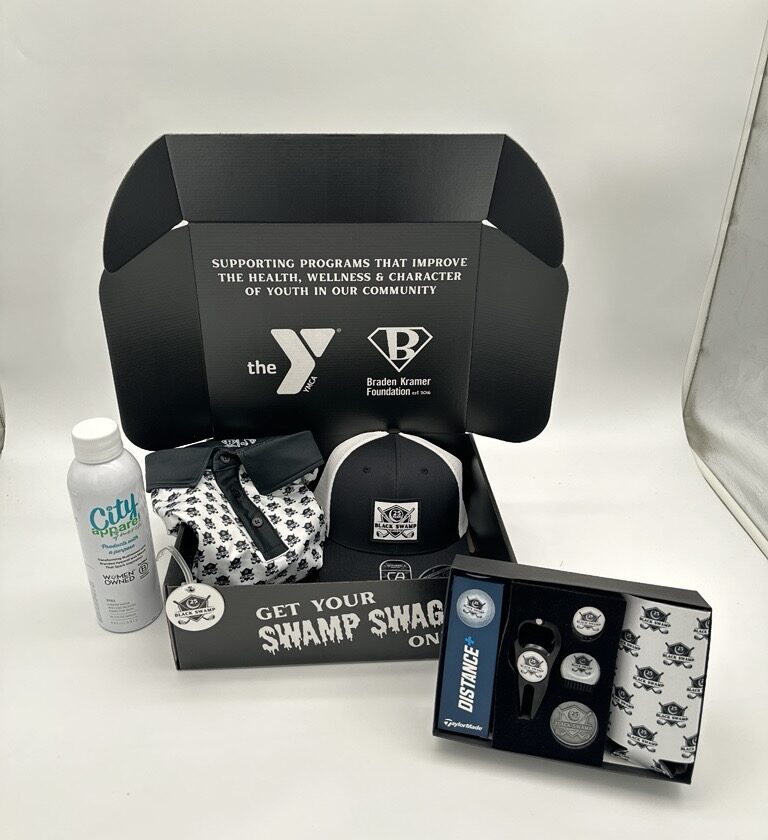
See how an event branding program helped this charity golf tournament create a cohesive 25th anniversary experience and raise $300K+ for youth programs.

The 2026 Oscars gift bag was full of luxury, novelty and spectacle. But the real marketing lesson is not the price tag.

Apparel leads branded merchandise categories across Gen Z, Millennials and Gen X, but category preferences vary by audience.

This simple download shows the types of branded merchandise most commonly used, and how they resonate.
A third-party study challenges the assumption that physical brand experiences automatically carry a higher carbon cost than digital advertising.

A whitepaper provides guidance on state-level Extended Producer Responsibility laws, shedding light on merch agencies’ compliance expertise.
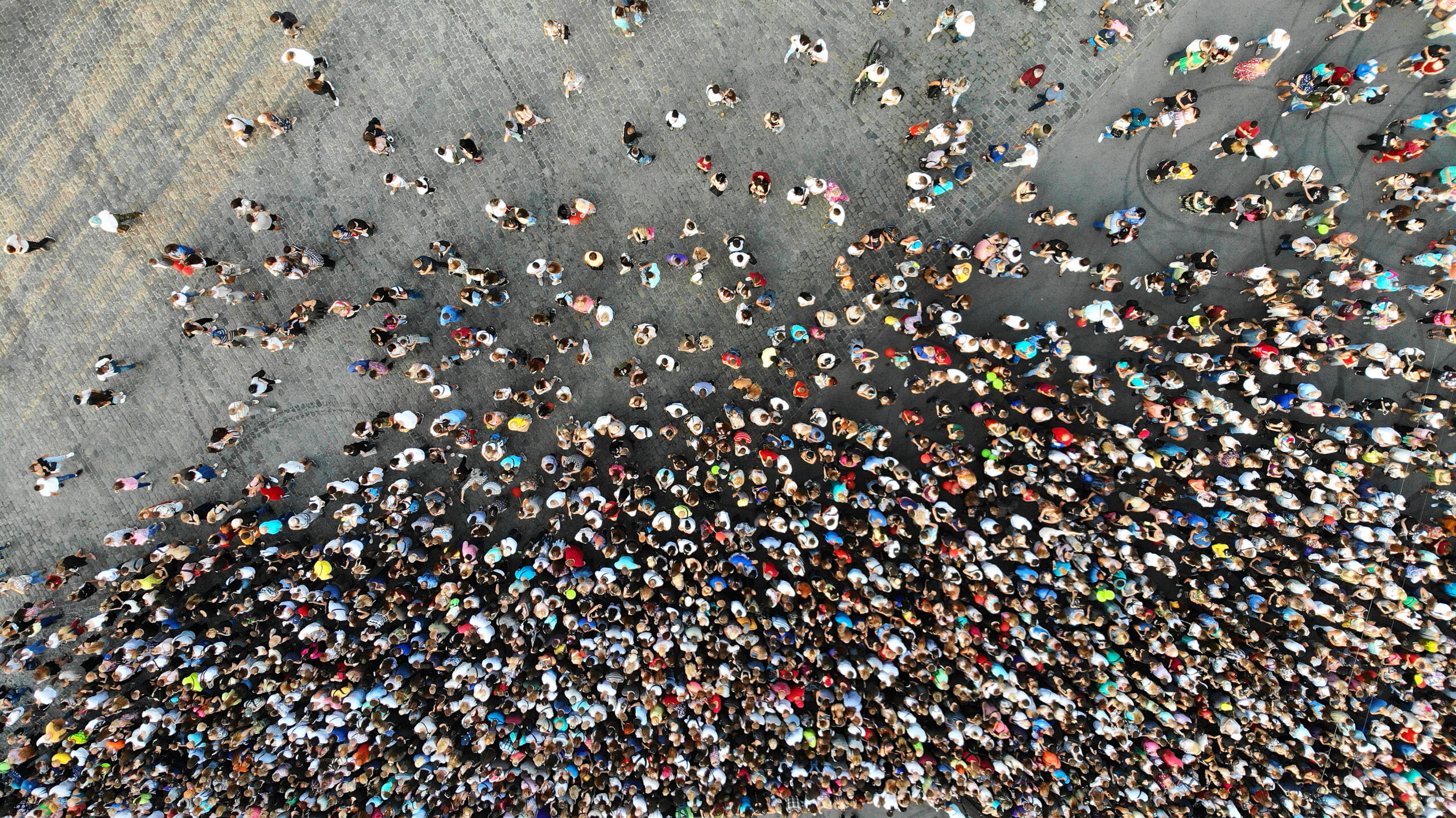
New consumer research shows that branded merchandise can improve brand perception, create appreciation and earn continued use – but only when it feels useful, well made and relevant to the audience.
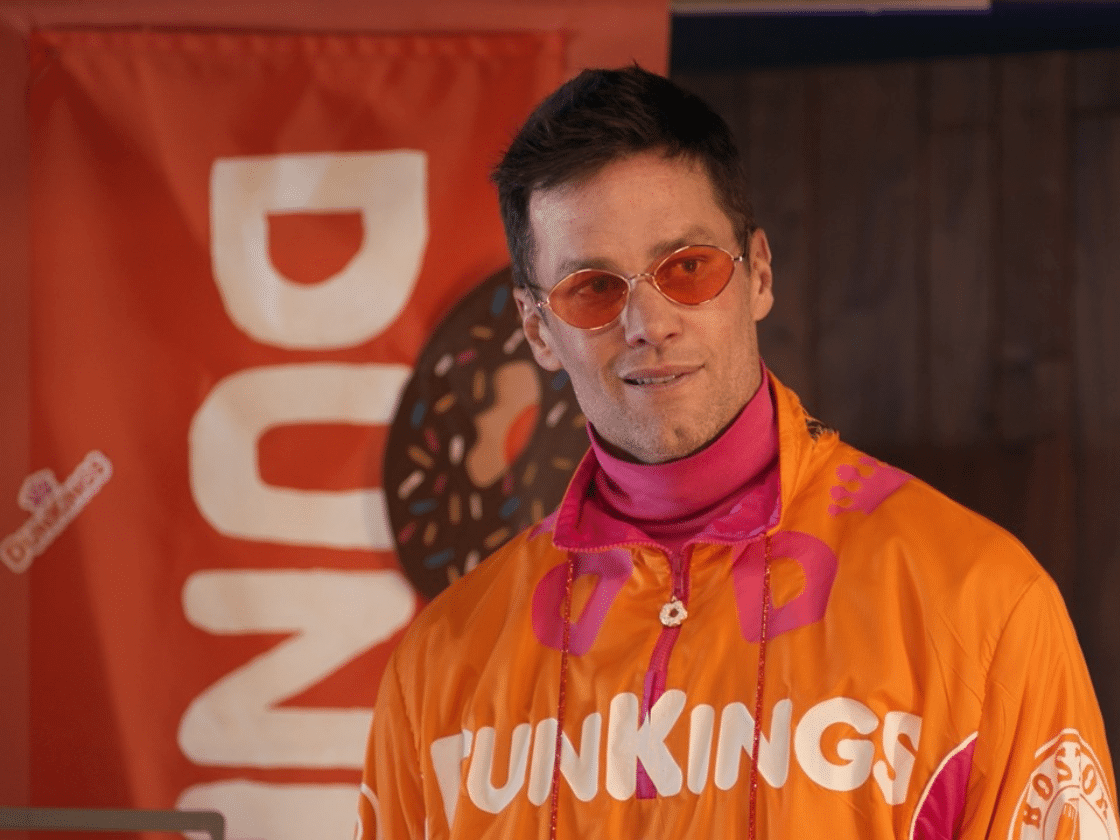
Super Bowl Sunday is the most celebrated date on the advertising calendar. Savvy marketers integrate merch for continued brand presence.