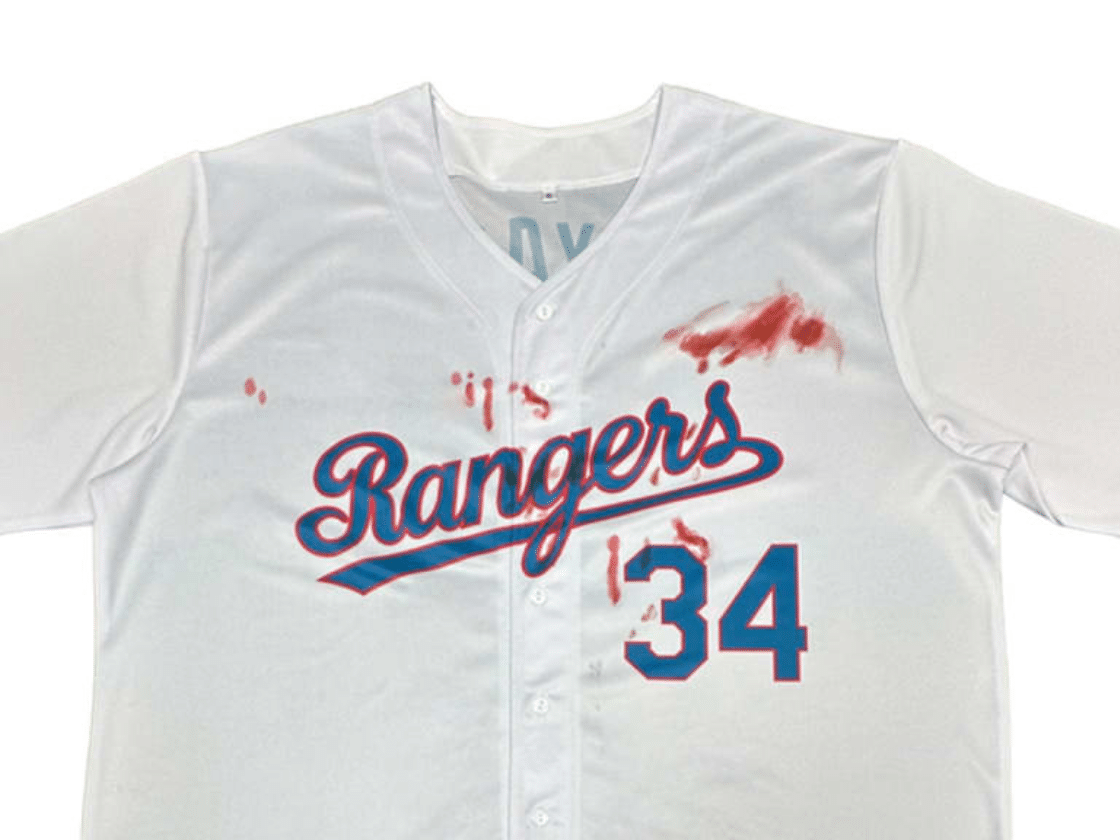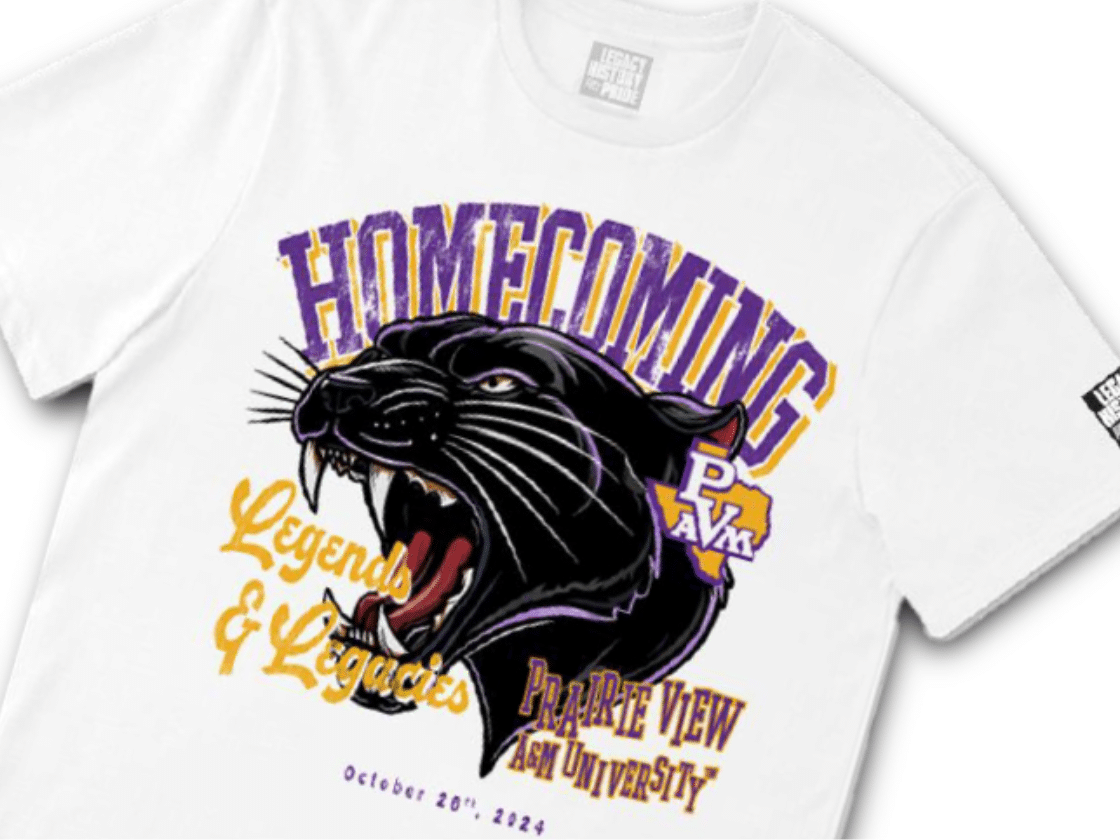
Every year, the Super Bowl reminds marketers why big media moments still matter.
The best spots entertain. They spark emotion. They give millions of people something to talk about at the same time. For a brand, that kind of shared attention is powerful.
But attention is not the same as lasting connection.
A commercial can create the spark. What happens next determines whether that spark fades after the game or becomes something people keep participating in. That is where branded merchandise earns a more serious place in the marketing mix.
When it is planned intentionally, branded merchandise is not a giveaway at the end of a campaign. It is a channel that can extend the campaign beyond the media moment and into people’s real lives.
It gives an idea a physical form. It gives fans, customers and communities a way to opt in. And when the item is useful, relevant or meaningful enough to keep, it keeps the brand present long after the ad buy is over.
That is the opportunity more marketers should be planning for.
How does branded merchandise extend a campaign? It gives people a way to keep participating after the media moment ends. A campaign product that is worn, used, shared, collected or displayed can turn short-term attention into continued brand presence and memory.
The Media Moment Is Only The Beginning
A Super Bowl spot creates mass awareness in a very short window. That is its job.
But the brands that make the most of that attention understand that the broadcast is not the whole campaign. It is the launch point.
The strongest campaign extensions answer a simple question: What can people do with this moment after they see it?
They can share it. They can remix it. They can talk about it. They can buy into it. They can wear it, use it, collect it or display it.
That last set of behaviors is where branded merchandise becomes especially powerful.
Unlike a spot someone happens to catch during a break in the game, merch is chosen. It is clicked on, waited for, worn, used, gifted, saved or displayed with intent. That makes it fundamentally different from passive exposure.
When someone seeks out a piece of campaign merch, they are raising their hand and saying, I want more of this brand in my life.
For marketers, that is not a small signal. It is participation.
Dunkin’ Made The Joke Wearable
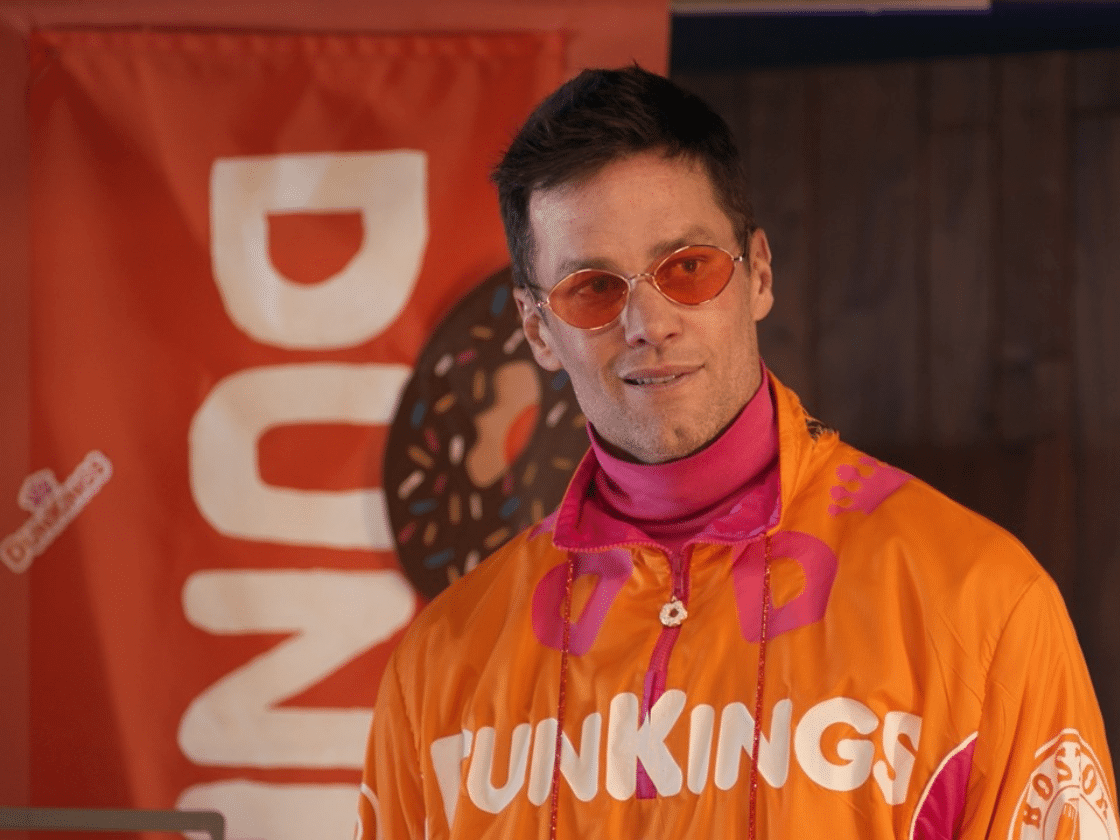
One of the clearest recent examples is Dunkin’s DunKings campaign.
The Super Bowl spot worked because it had the ingredients of a strong cultural moment: celebrities with a real connection to Boston, a playful storyline, an instantly recognizable visual idea and a brand with permission to have fun with all of it.
But the tracksuits did something the ad alone could not do.
They made the joke tangible.
Fans could do more than watch the spot. They could step into the campaign themselves. The limited-edition tracksuits turned the idea into something wearable, shareable and participatory. They gave the campaign a life outside the broadcast: in closets, gyms, social feeds and everyday conversations.
That is the strategic role branded merchandise can play when it is connected to the larger idea.
The value was not simply that Dunkin’ put its name on apparel. The value was that the merch made sense for the audience, the moment and the creative concept. You could see the tracksuit and immediately understand why it existed.
That is the difference between merch that feels like an add-on and merch that extends a campaign.
What this proves:
Branded merchandise can turn campaign attention into audience participation when the item gives people a meaningful way to join the story.
Budweiser Gives Emotion Somewhere To Live
Budweiser has shown a different version of the same principle for decades.
The Clydesdales remain one of the most emotionally resonant assets in Super Bowl advertising. They are not just characters in a commercial. They are part of the brand’s memory structure.
But that memory does not live only on screen.
Through apparel, barware, collectibles and other branded merchandise, Budweiser gives fans a physical way to hold onto that emotional association. The ad sets the tone. The merch gives that feeling somewhere to live.
For some people, that might be a glass in a home bar. For others, it might be a shirt, a sign or a collectible tied to a specific era of the brand. In each case, the merchandise extends the relationship beyond the media placement.
That matters because memory is not built only through reach. It is reinforced through repeated encounters.
A commercial may be seen once or twice. A well-chosen piece of branded merchandise can show up again and again — at home, at a gathering, in a drawer, on a shelf or in someone’s daily routine.
What this proves:
Branded merchandise can preserve and reinforce brand memory when it gives emotional affinity a physical form.
What This Means For Marketers
The lesson is not that every Super Bowl campaign needs a merch drop.
It does not.
Merchandise does not create relevance on its own. It works best when the campaign already gives people something they want to identify with, remember, use or share. The item has to fit the audience, the moment and the marketing objective.
But when those pieces align, branded merchandise can do something few other channels can do: it can move a campaign from exposure to ownership.
That is why marketers should not ask, “What can we give away?”
They should ask better questions:
- What would our audience actually want to keep?
- What object or experience would make this campaign more participatory?
- Where could merch extend the story after the media moment ends?
- How could continued use, visibility or sharing support the broader marketing goal?
Those questions shift merch from product selection to campaign strategy.
They also make the work more defensible. If the objective is awareness, the merch should help extend visibility. If the objective is loyalty, it should deepen connection. If the objective is community, it should signal belonging. If the objective is brand perception, it should feel high-quality, relevant and unmistakably aligned with the brand.
Business value comes from that fit: objective, audience, moment and measurement..
Continued Use Is The Advantage
PPAI research consistently shows that people keep branded merchandise for extended periods and remember the brands attached to it. That matters because continued use is what makes merch different from a one-time impression.
A hoodie worn for years, a tumbler used every morning or a collectible displayed in a home does not behave like a fleeting media exposure. It becomes part of someone’s environment.
That is where branded merchandise can create value beyond reach alone.
It can keep a brand visible.
It can reinforce memory.
It can signal affiliation.
It can invite conversation.
It can make a campaign feel more personal.
And there is real joy in that.
The best branded merchandise does not just remind someone of a campaign. It makes them smile when they put it on, pick it up or see it again. It becomes part of their routine, their identity or their story with the brand.
That is something no single media placement can do by itself.
How To Use This Proof Internally
For marketers making the case inside their organizations, the argument is simple:
A media campaign can create the moment. Branded merchandise can help extend the value of that moment.
That does not mean merch should replace TV, social, digital, experiential or retail. It means merch should be considered as part of the campaign ecosystem when the objective calls for lasting presence, participation or memory.
A useful internal framing might sound like this:
“This is not a giveaway expense. It is a campaign-extension channel. We are using branded merchandise to give the audience a reason to keep engaging with the idea after the media moment ends.”
That language matters because it moves the conversation away from unit cost alone and toward marketing role.
The planning logic should be just as clear:
Objective → Audience → Merchandise role → Distribution moment → Result → Takeaway
What is the campaign trying to achieve?
Who are we trying to reach?
What would they value enough to keep or use?
How will the merchandise connect to the larger campaign?
What signal will tell us it worked?
That is how branded merchandise earns a more credible place in modern marketing planning.
A Practical Campaign-Extension Checklist
Before adding merch to a major campaign, marketers should ask:
- Is there a clear campaign idea people may want to participate in?
- Is the merchandise tied to the audience’s identity, behavior, routine or sense of belonging?
- Would someone choose this item if it were not free?
- Does the item make the campaign more memorable, useful or shareable?
- Is the merch integrated with the broader channel mix, including social, digital, events, retail or community?
- Can we measure demand, use, sharing, retention, traffic, sales, signups or another meaningful signal?
If the answer to those questions is yes, merch is not just what comes after the campaign.
It is part of how the campaign keeps working.
That is how merch moves a campaign beyond the moment. It gives the idea a form people can choose, keep, use and share — turning attention into something more durable.
The Story Keeps Going By Choice
The Super Bowl will always be about big moments. The brands that win beyond the rankings are the ones that understand how to turn those moments into something people can carry forward.
That is the larger reframe branded merchandise deserves.
It is not just a supplement. It is not anafterthought. And at its best, it is not passive.
It is a marketing channel built for continued presence, emotional connection and real-world participation.
A commercial can make people feel something about a brand for 30 seconds.
The right branded merchandise can help them keep feeling it, using it and sharing it long after the game is over.
That is why branded merchandise is not just what comes after the ad.
It is how the story keeps going – by choice.