For Disney fans, the end of an event doesn’t necessarily mean the end of the experience.
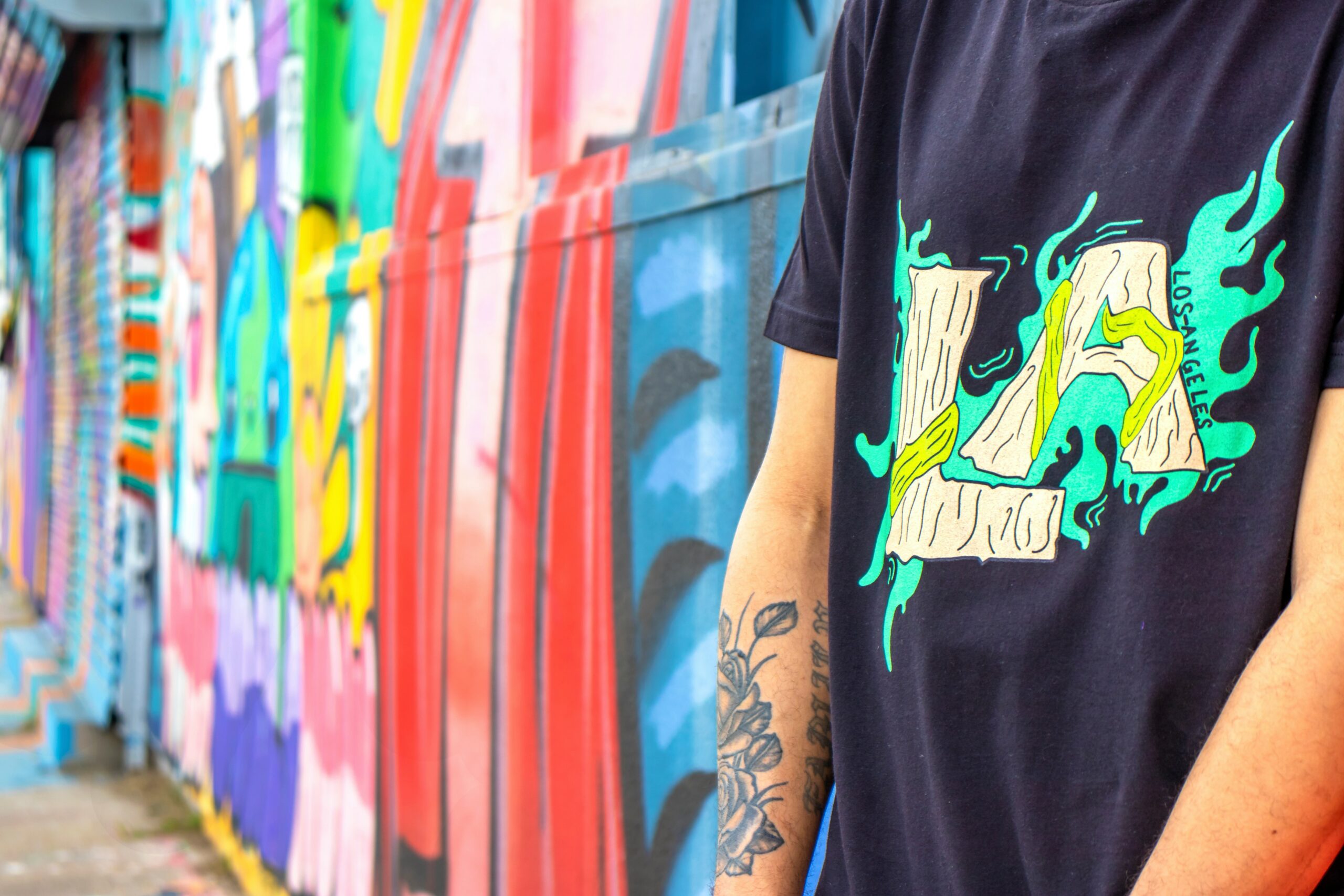
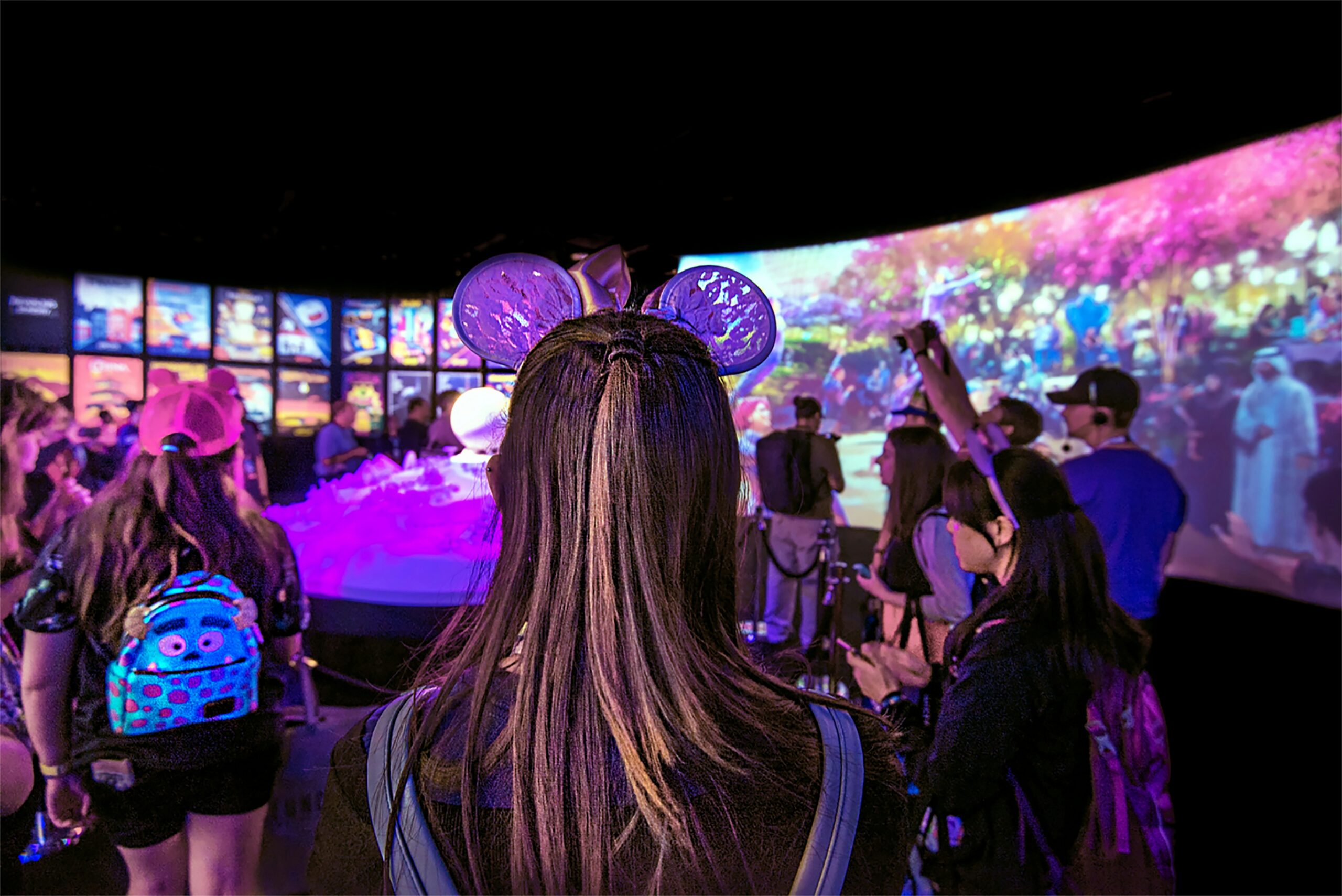
At the 2026 D23: The Ultimate Disney Fan Event in Anaheim, California, event merchandise was woven throughout the fan experience, from limited-edition collectibles and event-exclusive apparel to anniversary collections built around stories audiences have followed for decades.
Then, when the event ended, part of that merchandise experience continued online.
It’s a useful example for marketers considering a bigger question: what can branded merchandise do for an experience after the main event is over?
Merch Was Part of the Experience, Not an Afterthought
Ahead of D23, The Walt Disney Company described shopping as a “cornerstone” of the event, with curated retail destinations, exclusive releases, collectibles and interactive experiences designed for Disney’s most passionate fans.
The merch connected to the stories, characters and communities that brought fans to D23 in the first place, rather than reading as a logo applied to a standard product after the event was already planned.
Disney’s “Fanniversary Frenzy” makes the point clearly. Disney marked ten milestone anniversaries through dedicated merch collections, for properties including The Princess Diaries, Atlantis: The Lost Empire, The Hunchback of Notre Dame, Beauty and the Beast, The Muppet Show, 101 Dalmatians and Alice in Wonderland. The collections included apparel, accessories and collectibles designed around recognizable details from those stories.
The real question this raises for marketers is what a specific audience would find meaningful enough to wear, display, collect or keep, not simply what the brand can be put on.
Audience Relevance Gives Merch Meaning
Fandom creates unusually visible examples of audience relevance, but the principle extends well beyond entertainment.
People are more likely to value branded merchandise when it connects with something they already care about: an identity, interest, community, memory or experience.
Disney had decades of audience affinity to draw from. A Muppet Show 50th anniversary piece or an Alice in Wonderland 75th anniversary collectible can represent more than the Disney brand itself. It can connect the recipient with a particular story and the memories or identity surrounding it.
Most marketers won’t have Disney’s catalog of characters or generations of fandom to draw from, but the planning principle still holds: Start with the audience rather than the product. Understanding what people care about leads to merch with a stronger reason to be chosen, used, displayed, shared or kept.
The Merchandise Extended Beyond the Event
Disney also connected the physical event with another channel.
The Fanniversary collections were introduced around D23, with select pieces appearing first at Disneyland Resort before the collections reached the D23 Marketplace. Disney announced that the collections would subsequently become available through DisneyStore.com beginning August 17, the day after the event ended.
That online extension wasn’t limited to the anniversary collections. After D23 wrapped, Disney made select merch from the show floor, Disney Store booth and D23 Marketplace available online, including collectibles, plush, collaborations and branded merchandise that had been part of the physical D23 experience.
What matters here is less that Disney sold products online afterward, and more that the merchandise connected multiple moments in the same audience journey. Some products built anticipation before and during D23. The physical retail environments became part of the event itself. Select merchandise then continued into an online experience once the convention ended, carrying the event forward past its own closing date.
What Can Marketers Learn From Disney’s Event Merchandise Strategy?
Disney operates at a scale and with a level of built-in fandom that most brands can’t replicate. But the underlying planning principles are far more transferable.
- Start with the audience. Merch becomes more relevant when it reflects something the audience already values rather than simply carrying a brand mark.
- Give merchandise a specific role. At D23, branded merchandise helped fans celebrate anniversaries, express fandom, collect pieces tied to favorite stories and take part of the experience home.
- Design for the context. Event merchandise connected to a milestone or community has a different job than merchandise created for broad distribution.
- Connect merchandise to other channels. The D23 example moved across physical experiences and digital retail rather than treating merchandise as an isolated tactic.
- Think beyond the handoff. The strategic question isn’t only whether someone receives an item. It’s what that item allows the audience to do afterward: Use it, wear it, display it, collect it, share it or remember the experience through it.
Brand Merch Can Give an Experience a Longer Life
Disney’s execution shows how branded merchandise can be built into an experience with intention. Disney connected merch to audience interests, milestone stories, physical event experiences and continued online availability, giving fans another way to participate in the worlds and communities they already cared about.
Branded merchandise doesn’t have to be something handed out at the edge of a campaign or event. Given a clear role and genuine audience relevance, it can turn into a tangible brand experience that outlasts the moment it was made for, whether the budget behind it is Disney-sized or nowhere close.
Put the Principle Into Practice
Before adding branded merchandise to an event or campaign, check whether it fits the audience, strengthens the idea and has a clear role beyond distribution. Use the Practical Campaign-Extension Checklist to evaluate the fit before choosing the merch.